


Related posts:
- How To Survive As An ETD / ED House Officer In The Orthopaedics Department – Housemanship in Malaysia
- Pulling Through My First Tagging Experience As An Orthopaedic House Officer – Housemanship Diaries
- My Daily Morning Routine As A House Officer In The Orthopaedics Posting – Housemanship Diaries
- The Orthopaedics Posting – Housemanship Diaries
- My “Coming Morning” Priority – Housemanship Diaries
- My Support System During My First Posting In Orthopaedics As A Junior Doctor In Malaysia – Housemanship Diaries
Out of these three, ETD / ED, EMOT and Ward ON, this particular shift has always been my favourite especially if I’m being called as “second houseman to OT”. I consider it an immense privilege but also if there is any place I will actually “fall asleep on the job”, it is sadly also here.
The shift of an “EMOT HO” in the Orthopaedics Posting is from 7am-7pm for “EMOT AM” and 7pm-7am for “EMOT PM”.
Allow me to give you a brief run through on what a typical day / night shift of an “EMOT HO” is like.
Right before our shifts at 7am or 7pm (Depending on if you are in the morning or night shift), we are expected to introduce ourselves in the “On-Call Group”.
For example:
“Good morning / Good evening Drs, this is Jewel. EMOT AM / EMOT PM HO for today.”
This is followed by us sending the pictures of:
- Ortho List
- Non-ortho List
- Ongoing Cases
This act is simply a courtesy to let the group of medical officers and surgeons know who is the house officer on standby in the operating theatre, OT.
Thus, they would know who to contact to know more about the affairs happening within the OT.
Next, if there are any ongoing cases, we will takeover from the previous house officer on duty (unless they volunteer to stay) and we will also leave our phone number to the OT nurses. This is important as there are times when there are no cases being called and most of us tend to leave the OT. This enable the staff nurses to contact us if a patient from the Orthopaedics Department, posted under emergency is being called to OT.
What happens if a case is being called?

First of all, if it is under EMOT, they will call according to the urgency of the cases through a colour coding system (Red code, yellow code and green code).
Red code cases are prioritised first followed by yellow code and green code. Next, is there enough NPO (Nil per oral) time? This is important for the anaesthetic team.
Thus, when a case is being called, we are expected to inform the OT call medical officer. Usually they will inform what needs to be prepared, such as an access to “image intensifier”, arm board, a tourniquet or to have certain antibiotics readily available to be given as STAT doses.
The time taken for the patient to arrive from the ward is sufficient enough to have prepared all of these by then. After the patient has arrived at the “airlock”, which is the transfer zone, we are required to inform the OT call medical officer again as well as when the patient is finally being pushed to the operating theatre room.
When the patient arrives at the airlock, they will be assessed by the anaesthetic team. This is to determine the type of anaesthesia suited for the patient. In addition to that, the patients will also be briefed on the mode of administration, risks and complications of the procedures.
This is followed by the consent checking by the staff nurses from the OT. In order for the patient to go for operation, a written consent must be readily available which is signed by the patient, house officer as witness and a medical officer.
It is during this brief interchange period where I would screen through the case-note of the patients for any antibiotics and request the ward nurses to send should there be none provided for the patient. This sometimes do occur and saves the hassle of calling the ward and waiting at the last minute when the patient has already been pushed to OT.
After the patient has been assessed by the OT staffs nurses and the anaesthetic team, they will be pushed to the OT room where they will be placed under the suitable anaesthetic block.
As a house officer, we are required to ensure the whiteboard in the OT room is filled. Details to be included are:
- Date:
- Patient’s name:
- Purpose op:
- Location of op:
- Team:
- Surgeon:
- Assistant:
- Circulating nurse:
- Scrub nurse:
- Anaesthetic team:
- Special instructions:
It is best to refer directly to the consent paper to avoid any mistakes as this board will be used as a reference by the nurses to fill the SSSL form which is a short documentation of the pre-op diagnosis, post-op diagnosis, intra-op implants used, samples taken, doctors and team involved as well as the starting time and ending time of the op.
It is also during this time that we would dilute and prepare the antibiotics. The commonly diluted antibiotics used are Cefuroxime, Cefazolin and Unasyn. The diluted antibiotics prepared are then labelled on the syringes prepared and passed to the anaesthetic team to be served intra-op, as STAT doses or during the following dosage of the antibiotics.
Since it is the Orthopaedics Department, it is always best to display the x-ray of the patient on the monitor or television provided for the surgeon to review while the patient is being prepped by the anaesthetic team or for them to refer intra-op.
After the anaesthetic team is done with their administration of the suitable anaesthetic block for the patient, it is time for us to help set the patient by positioning the patient and exposing the limb for operation.
Then, comes the fun part which is scrubbing in!
After we have scrubbed in, the OT call medical officer will usually set the patient by painting the limb or site for op as well as donning the sterile (green) towels and after the patient has been prepped, it is time for “Timeout”.
What is “Timeout”?
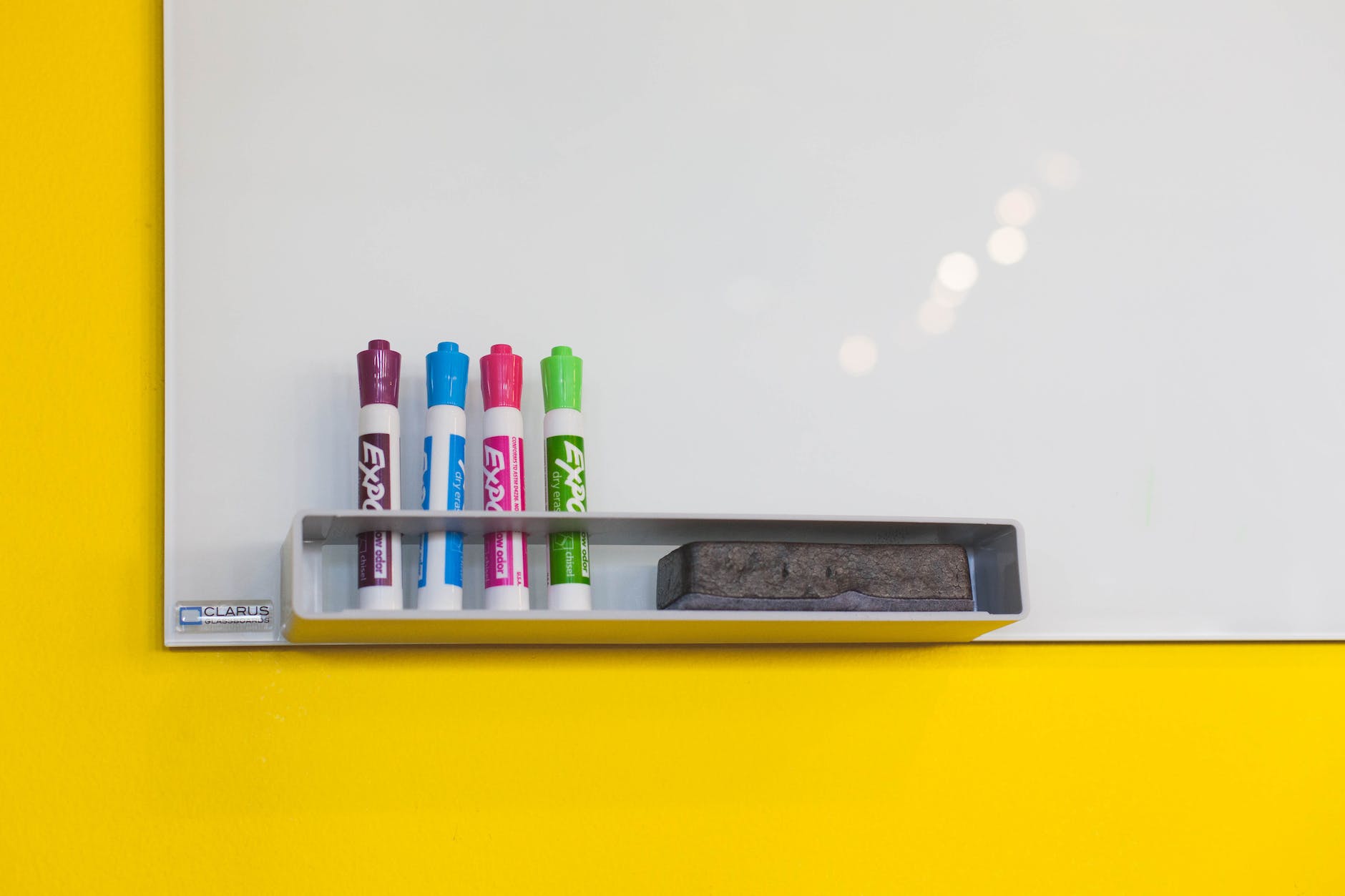
It is basically reading aloud every information written on the whiteboard prepared earlier.
Only then, we cut!
As a house officer, we are merely the surgeon’s assistant such as helping to expose certain areas by holding the retractor, holding the suction, dabbing and cutting. There are a few instances where we will be given the opportunity to help curette the wound or close up the wound by suturing or even drilling. However, being up close and seeing the procedures aloe as I mentioned, is an immense privilege in itself. Perhaps, it is due to the reason that I enjoy hands on procedures.
Pardon my analogy but in a way, it is like cooking, assembling or fixing furnitures. I feel somewhat at peace and “at home” in the operating theatre.
Every procedure duration varies and after the completion of the procedure, we are required to help draft out the intra-op findings, samples taken (if any), implants (if any) as well as the further management plan of the patient.
This will then be counterchecked by the surgeon before we upload the finalised data onto the hospital’s database which keeps a record of the patients’ operative procedures conducted.
This is followed by:
- Filling in the patients’ details and operation done in the green logbook
- Filling up necessary implant forms or biochemistry / histopathological forms required (if needed)
- Filling the white form given by the OT nurses
- We will usually help to indent the medications listed in the plan for the patient which is just a small duty but helpful for the ward doctors as this ensures the necessary medications required by the patient will be served in the wards (because this can be missed at times due to the negligence of updating the patients’ medication chart which can only authorised by doctors)
- Alerting the house officers in charge in wards upon the completion of op done for the patient as a courtesy for them to be aware that post-operative review needs to be done for the patient.
- After which, the case not, medication charts and necessary charts will be compiled and left on the nursing counter and the patient will be transferred out to the observation bay for a few hours before discharging back to ward or transferred out to ICU.
The cycle then repeats itself again for the following cases until the shift is over.
How do you equip thyself?

I have a special file for OT and inside are:
- Implant forms (both internal & external implants)
- KKM forms
- TB forms
- Gene Xpert forms
This saves time from scouring around the OT looking for it and you can prepare it beforehand or immediately after the operation is done. There are times when a sample will be sent for TB workup or “Gene Xpert” and I learnt the hard way after trying to get help from the wards to send these forms down to the operation theatre as this form requires a specialist chop and signature and getting a hold of them is usually not easy. Hence, it’s better to be prepared and bring this file with you every day because you never know when you will be called as “second houseman to OT”.
Next, remember the connecting line to the radio department if ever you need an access to an image intensifier a.k.a portable x-ray. Personally, I would save the radiographer’s phone number, so it would be easier for me to contact them throughout the day.
What to do when there are no cases being called?

Yes that does happen at times especially when there are ongoing elective cases from other departments, or there are other emergency red code cases. After all, the main operating theatre is being shared by all surgical based departments.
Then, there are instances where there are no ortho cases at all… which is quite rare but sometimes all the procedures would’ve been completed during the day shift or there are just merely “no cases”.
So, what do I do?

First of all, you can always leave the OT. That is why, it is important to leave your phone number with the OT staff nurses for them to contact you should there be any cases called.
Next, you could help out at wards or the emergency department.
Or like me, I’d be hiding at one corner, reading or writing. Besides that, you could also chill at the pantry and eat or sleep.
However, before indulging in relishing in this unexpected free time, it is best to stock the OT with pinkies, restock the POP trolley with the necessary orthobans, crepe bandages and plaster of paris (POP) as well as to identify the tourniquet and location of the armboards.
Hence, when there is a case being called, this saves the hassle of scouring the place and wasting time.
Personally, EMOT is an enjoyable experience and I hope that you are able to appreciate observing and assisting up close in the procedures as I did. True, our role is very limited and most of the time, we are just merely assisting and observing. However, be patient and ask a lot of questions. Do inculcate the habit of having an inquisitive nature. Try to make the best out of the experience. There is a learning curve in every area.
All the best!
Related posts:
- How To Survive As An ETD / ED House Officer In The Orthopaedics Department – Housemanship in Malaysia
- Pulling Through My First Tagging Experience As An Orthopaedic House Officer – Housemanship Diaries
- My Daily Morning Routine As A House Officer In The Orthopaedics Posting – Housemanship Diaries
- The Orthopaedics Posting – Housemanship Diaries
- My “Coming Morning” Priority – Housemanship Diaries
- My Support System During My First Posting In Orthopaedics As A Junior Doctor In Malaysia – Housemanship Diaries

 The Theoretical Doctor
Hi doctor , I am currently a medical student , I want to ask on how you prepare for interview for housemanship ? Are there any specific books or websites you refer to ?
LikeLike
Hi Putera, prior to entering housemanship, we did not go through any interview process. We just had to apply to the hospital that we would like to practice in and go.
LikeLike
ohh i see , thank you
LikeLike